Dance Machines from then to now
Works by First Nations artists from around Australia | 3 Jul to 16 Aug 2026
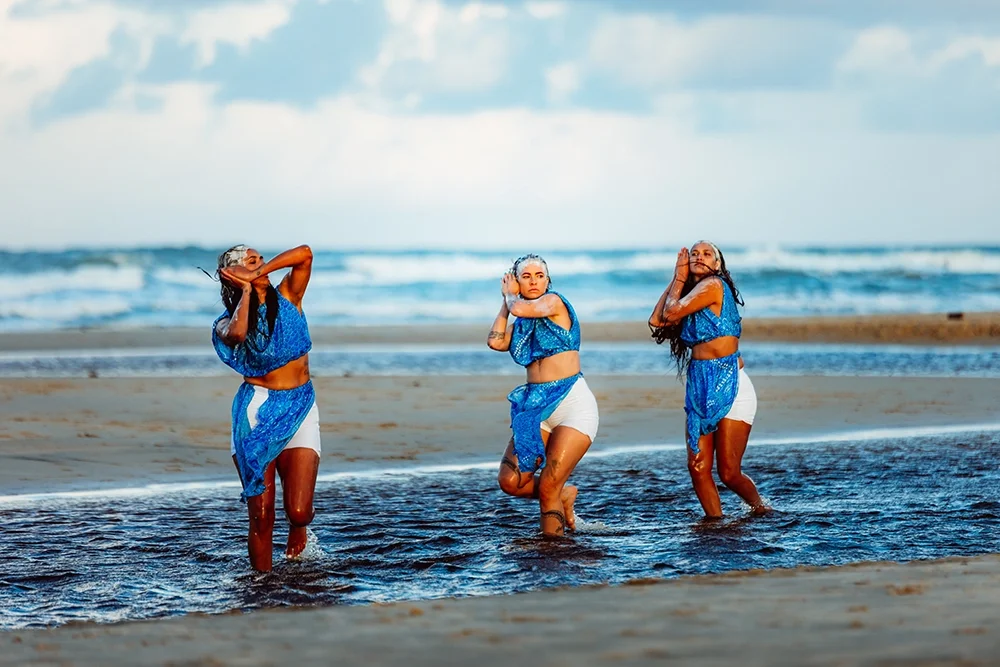
Storytelling through dance has been an integral part of Aboriginal culture for generations, with traditional dances passed down over time. Dance serves spiritual and ceremonial purposes, celebrating mythology, the Dreaming – the Aboriginal understanding of creation by ancestral spirits – and even functioning as a training tool for hunting. These traditional forms have influenced modern and contemporary dance, extending their reach and evolution.
Dance is vital to Aboriginal culture as a way of sharing stories, laws, and traditions, connecting people to Country, ancestors, and community. It plays a central role in ceremonies, life events, and maintaining identity and wellbeing. Styles varied across hundreds of tribal groups, often featuring set arm, body, and foot movements with strong foot stamping.
Many dances imitated animals or birds. Sacred ritual dances were distinct from light-hearted camp dances enjoyed by men, women, and children. Instruments varied by region and included boomerangs, clubs, sticks, hollow logs, drums, seed rattles, and the didgeridoo. Hand clapping and thigh slapping were common, and decorated drums were often made from hollow logs covered with reptile skins. In northern coastal areas, large conch shells were used. Dancers also used body markings, adornments, totems, and other objects to help tell their stories.
| Location | Event | Date and time | Cost | Registration |
| Caloundra Regional Gallery | Exhibition | Friday 3 July to Sunday 16 August 2026 | Free | Not required |
| Caloundra Regional Gallery | Launch | Thursday 2 July, 6-8pm | $15 | TBA |